Central imaging review for clinical trials

Centralized image review and imaging core lab for clinical trials with imaging endpoints: site uploads, quality control and blinded independent reads in one place.

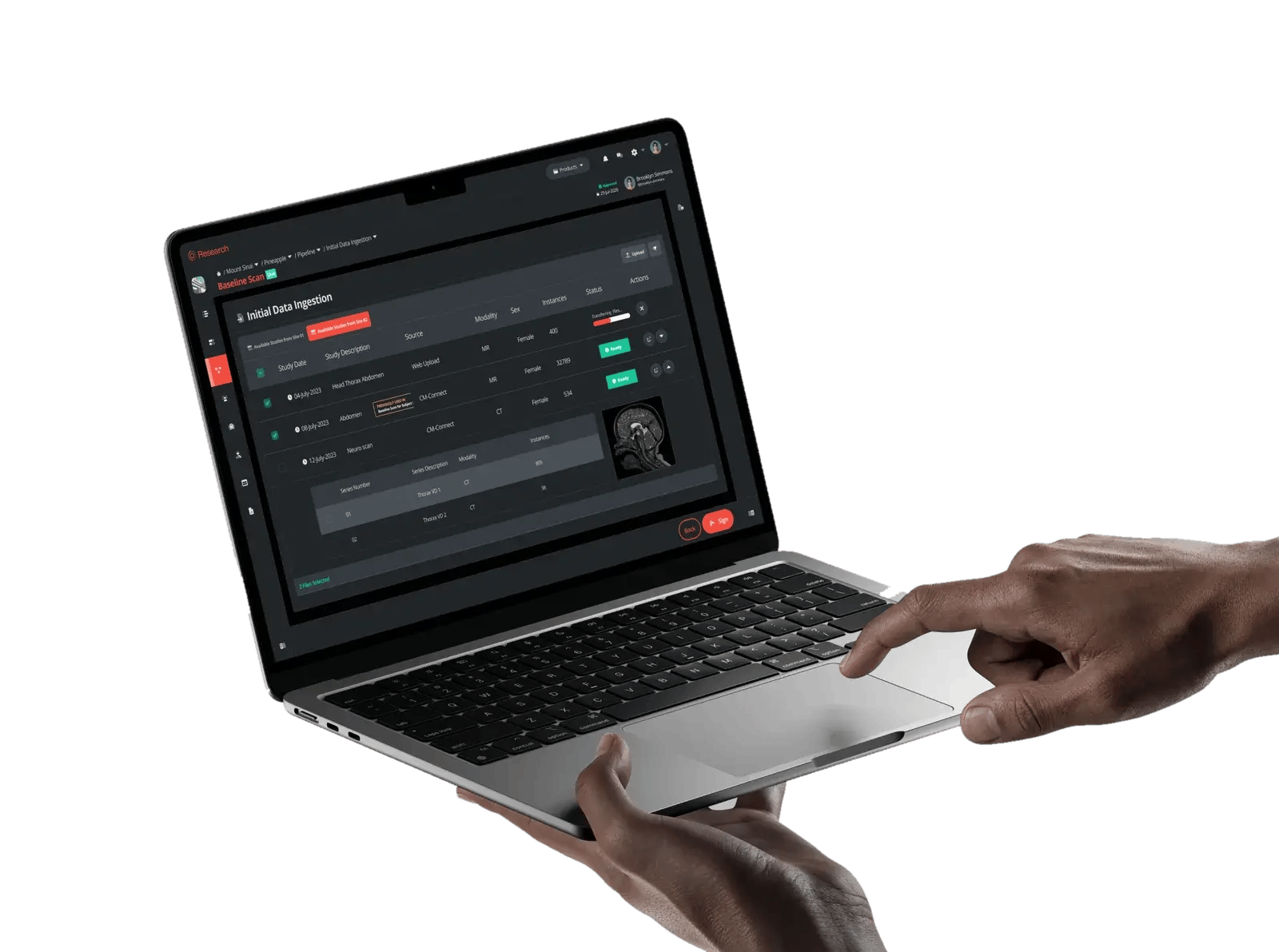
cm-laptop-mockup-1-transparent

Trusted by leading healthcare institutions

cm-laptop-mockup-2-transparent

What is central imaging review, and when does a trial need it?

Central imaging review is the independent assessment of clinical trial images by readers outside the trial sites, on one platform, so that eligibility and endpoint reads are consistent, blinded and traceable across every site. Regulators often expect centralized, blinded independent review for imaging endpoints in late-phase (Phase II and III) trials.

In a multi-site trial, images arrive from many hospitals in different formats and with different protocols. Clinical trial imaging needs complete, comparable images and a clear record of who assessed what. Collective Minds connects the steps: image collection, quality control, reader management and central review.

How it works


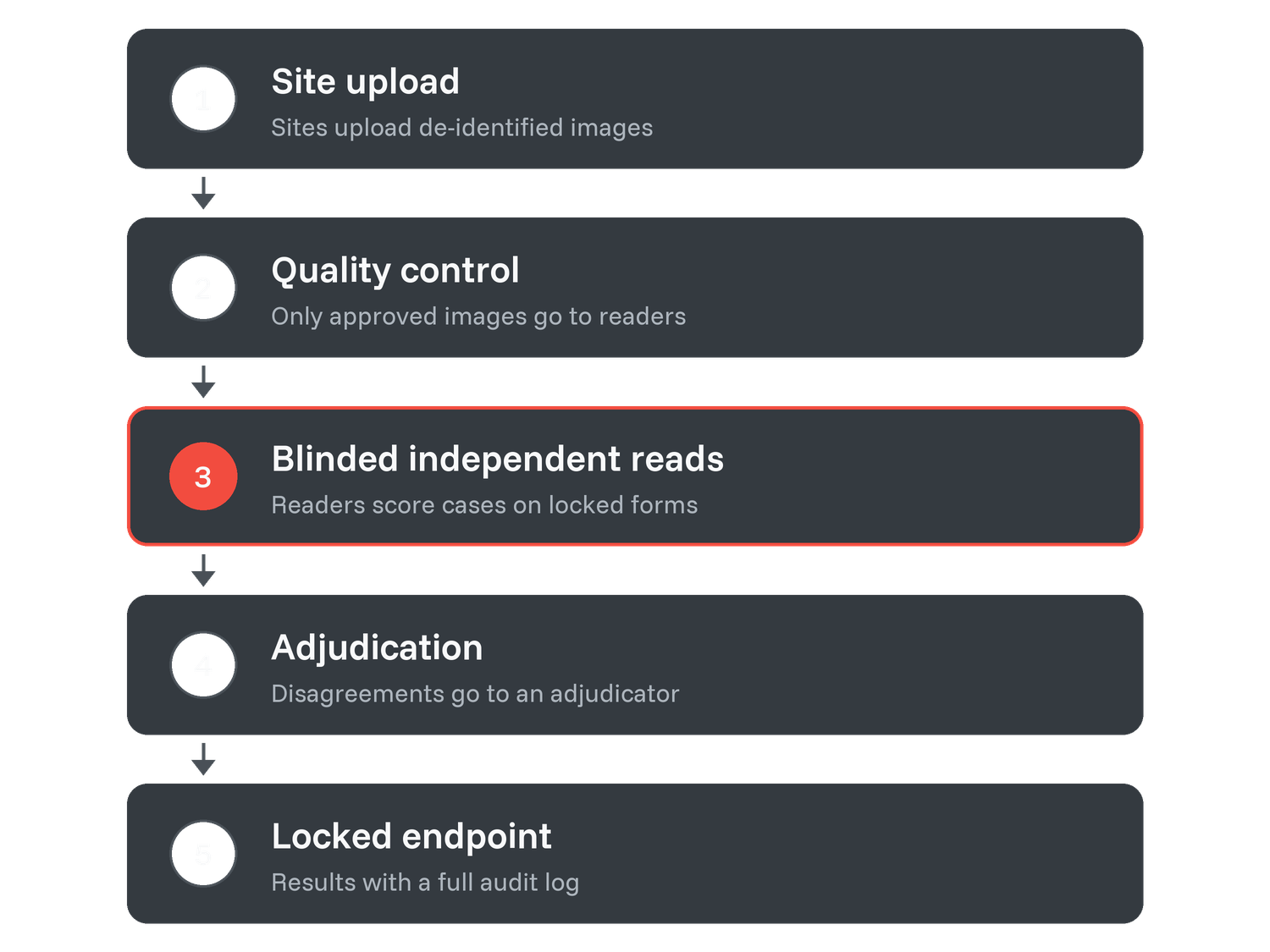
  • Site upload. Research nurses or radiographers upload on the web, send through Connect or use bulk transfer. Images are de-identified on the way in.
  • Quality control. Each submission is checked in real time. Only approved images go on to readers, and rejected ones are flagged for a rerun.
  • Blinded independent reads. Readers outside the sites get their own tasks and trial-specific forms, blinded to each other, to treatment and to site.
  • Adjudication. When two readers disagree, the case goes to an adjudicator, as the protocol or independent review charter requires.
  • Locked forms. Eligibility and endpoint reads are recorded in locked forms, so a submitted read cannot be quietly changed.
  • Audit log and reporting. A dashboard shows progress by task, subject and site, an audit log records every change, and results export as CSV.
read-paradigm-diagram
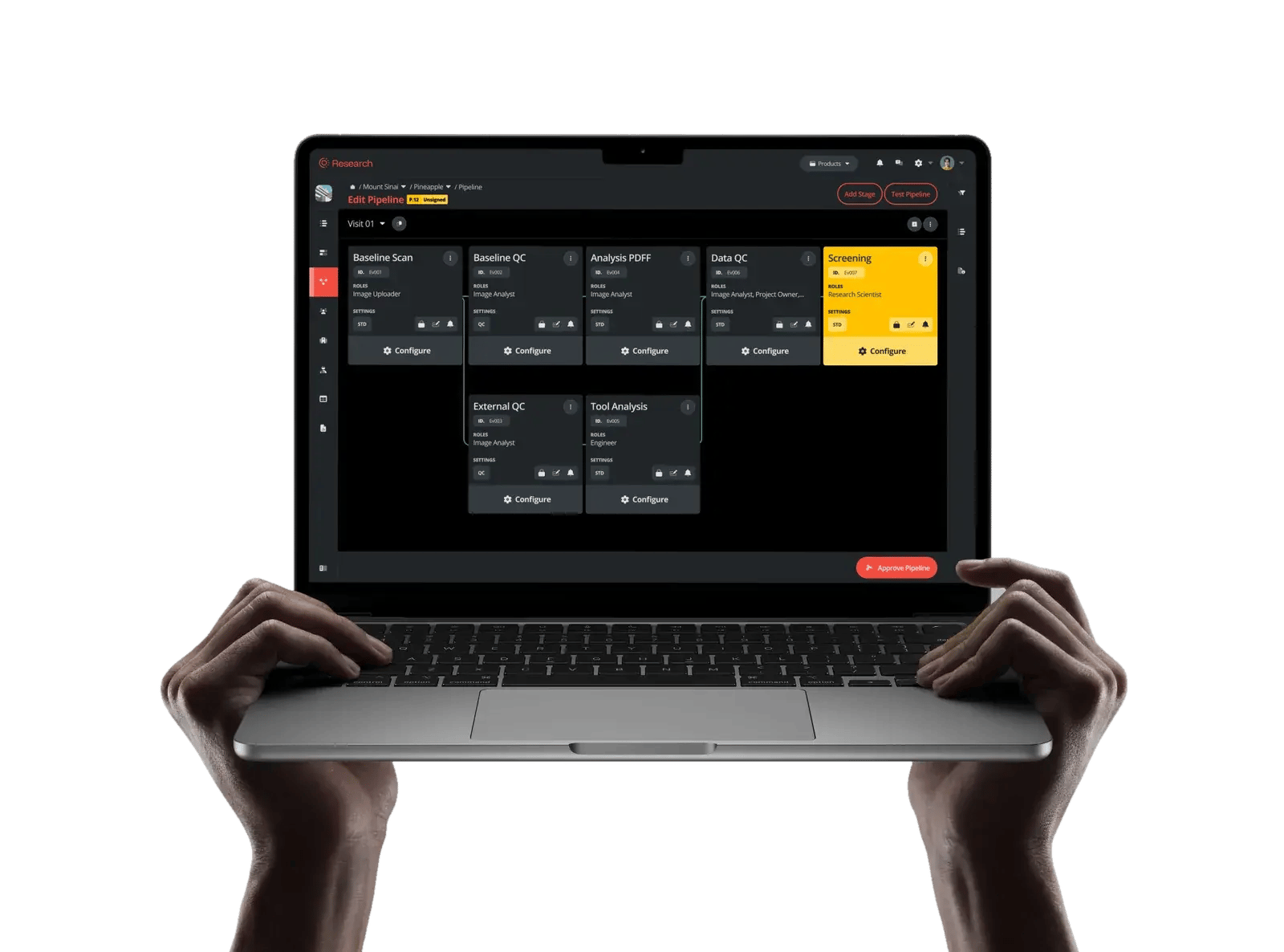
cm-laptop-mockup-1-transparent

What changes

  • Less chasing. See each site's status at a glance.
  • Only approved images reach readers. Quality control sits in front of the read, so reads stay consistent across sites.
  • An audit trail for the study. Who did what, and when, ready for audit and regulatory review.

Collective Minds works as the imaging core lab for your trial. We set up the read paradigm your protocol needs: independent reads, blinded reads, adjudicated reads, and separate eligibility and endpoint reads. Each one runs on the same platform, with the same forms and the same audit log, so every result can be traced from the site to the endpoint.

Projects like this

A phase 3 trial in glioblastoma

An investigator-led phase 3 multicenter trial.
What we did: central QC and review of MRI and radiotherapy data, with consensus.

A cardiac ultrasound core lab

A multicenter clinical trial led by a university hospital, with a CRO coordinating the core lab.
What we did: 15 centers, more than 200 patients and 3 exams per patient, reviewed by a core lab of expert reviewers. Image transfer from sites, QC and review were done on Collective Minds.

A phase 2 trial in colon cancer

A biotech sponsor wanted central independent reading of CT.
What we did: two radiologists read CT taken at diagnosis and before surgery, and reports went back to the sponsor. The sponsor described the aim as centralizing the assessment to reduce variability.

hipaa logo
gxp gcp logo
gmp logo
gdpr-logo
ispe gamp logo
alcoa principles logo
crf-logo

Frequently asked questions

Everything you need to know about running central imaging review for clinical trials.

More questions? More answers!
We’ve got a big collection of answers.
What is central imaging review in a clinical trial?

It is the independent review of trial images by readers outside the sites, on one platform, so eligibility and endpoint reads are consistent and traceable across every site.

When does a trial need blinded independent central review (BICR)?

Regulators often expect centralized, blinded independent review for imaging endpoints in late-phase (Phase II/III) trials, where reader consistency and an audit trail matter most.

How is central review different from local site reads?

Local reads happen at each site and vary between readers. Central review applies one standard, one viewer and one form across all sites, with adjudication when readers disagree.

What does the imaging core lab handle?

Site onboarding and uploads, de-identification, real-time quality control, reader management, the read paradigm, adjudication, and locked forms with a full audit log.

Is the imaging data compliant and traceable?

Yes. Imaging is de-identified and traceable from site to endpoint, with locked forms and an audit trail to support GDPR, HIPAA and regulatory review.

Can sites without special software take part?

Yes. Sites can upload through the web with no installation, send through a local Connect node, or use bulk transfer.

What happens when an image fails quality control?

It is rejected and flagged for a rerun. Only approved images go on to the readers.

Can we use our own readers or a core lab?

Yes. Each reader has a role with its own access, whether they are your experts or a core lab's. Who supplies the readers is agreed for each study.

Can it connect to our EDC?

The platform has an API and Python SDK that can populate external EDC systems. The scope is agreed upon for each study.

Which compliance standards does it support?

We comply with HIPAA, GDPR, GxP/GCP, GMP, 21 CFR Part 11 and ISO/IEC 27001:2022, among other regulatory frameworks. What applies to your study depends on its scope, so talk to us.

Planning a trial with imaging endpoints?

Tell us about your protocol and we will show you how it would run.
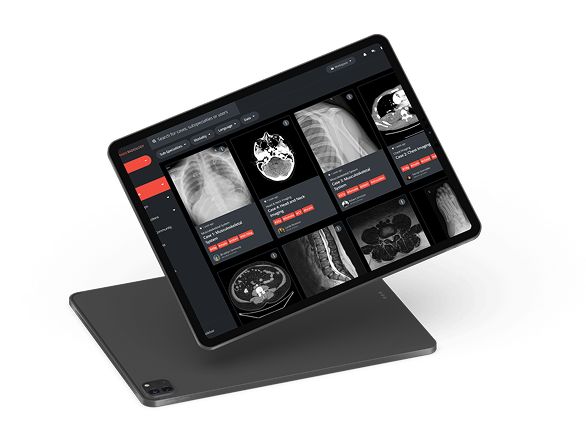
ipad