
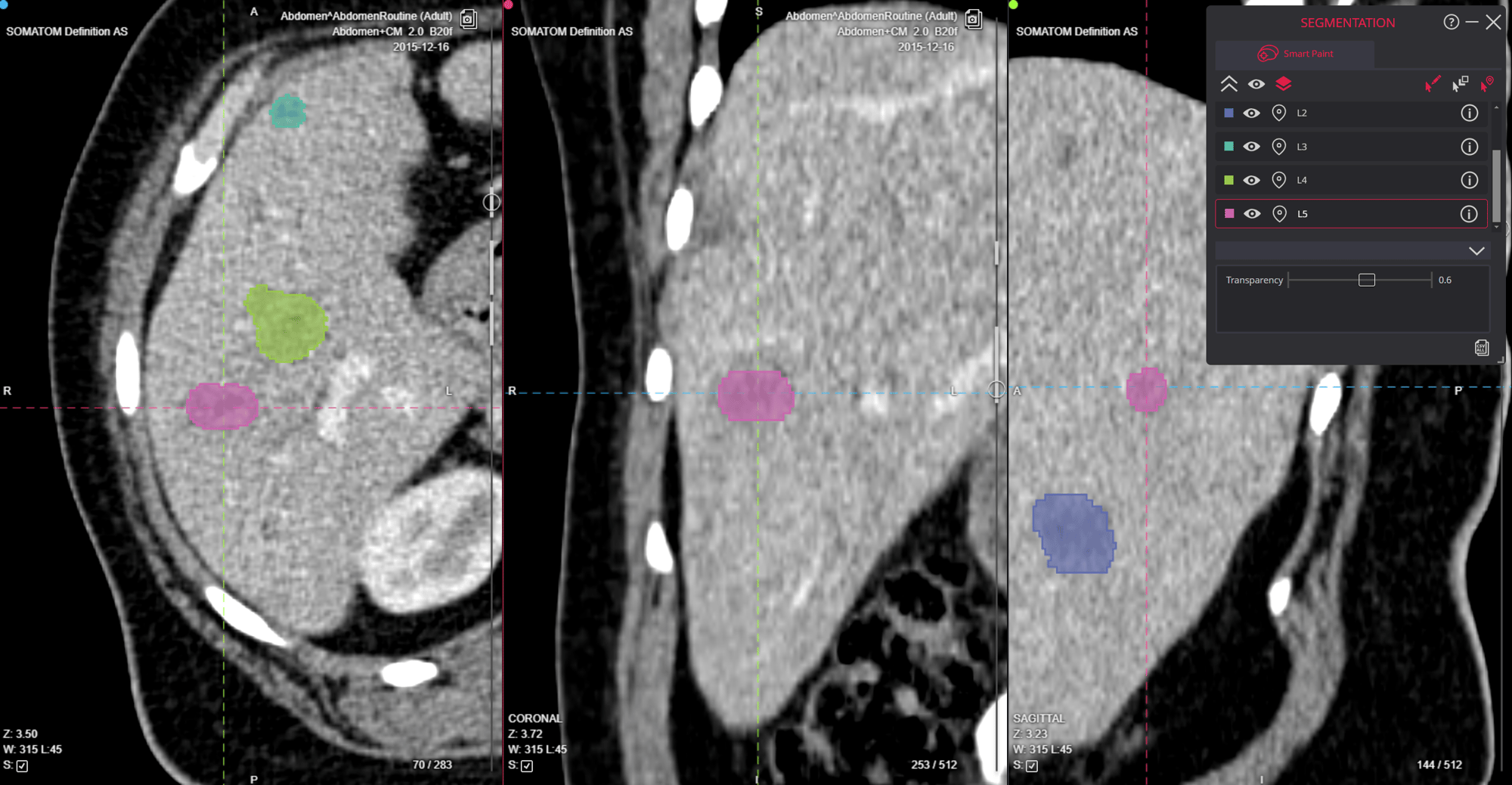
Clinical trials that rely on imaging endpoints face a hard problem. Images arrive from dozens of scanners, sites, and countries, and every one of them needs to be comparable. Without central control, small differences in acquisition protocol or reading criteria can turn into inconsistencies in trial data, the kind that regulators flag and sponsors cannot afford. This is the problem imaging core labs exist to solve.
What is an imaging core lab?
An imaging core lab is a specialized facility that provides centralized medical imaging services for clinical trials, covering image acquisition, transfer, quality control, and independent review. As Applied Clinical Trials defines it:
"The so-called 'core lab' or imaging laboratory for the centralized quality control and assessment of images."
In practice, an imaging core lab acts as the single point of control for a trial's imaging data. Regardless of how many sites, scanners, or countries are involved, every image is captured, transferred, and read the same way, so the resulting dataset holds up to scrutiny from investigators, sponsors, and regulators alike.
Why imaging core labs matter in clinical trials
Clinical trials often collect imaging data across multiple sites, scanners, countries, and teams, and that multiplies the ways things can go wrong. Imaging core labs address that risk directly:
- They reduce variability across sites, so a scan taken in one country reads the same way as a scan taken in another
- They support endpoint reliability, particularly in oncology and other trials where the primary endpoint depends on a single imaging read
- They produce audit-ready imaging data, with full traceability for regulatory submissions
- They are especially important in trials that use imaging endpoints, blinded independent central review (BICR), oncology response criteria, medical device evaluation, or central imaging core labs for multicenter trials
Demand for this kind of oversight keeps growing. According to BioSpace, the U.S. clinical trial imaging market is projected to reach USD 875.93 million by 2033, growing at a CAGR of 7%, as sponsors lean more heavily on imaging endpoints to support drug and device approvals.
What does an imaging core lab do?
A core lab's responsibilities span the full life of an image, from the moment it is acquired at a site to the moment it supports a regulatory submission. Understanding each stage helps sponsors see where a core lab fits into their broader medical imaging workflow, and where the risk of inconsistent data actually enters the pipeline. Four functions come up in almost every engagement.
Image acquisition standardization
Before a single scan is taken, the core lab defines the acquisition protocol every site must follow: scanner settings, contrast timing, positioning, and sequence parameters. Sites are typically trained and qualified against this protocol before enrolling patients, which is what allows images from different scanners and countries to be compared later without introducing bias.
Image transfer and data management
Once acquired, images need to move from the site to the core lab reliably and securely, usually through a DICOM-based transfer process with pseudonymization applied along the way. This is also where automated data collection pays off: manual uploads are slow and error-prone, while automated channels catch missing or incomplete studies immediately instead of weeks later during a monitoring visit.
Quality control
Every incoming study is checked against the acquisition protocol before it enters the review queue. The FDA's guidance on imaging endpoints is explicit about why this matters:
"The purpose of this guidance is to assist sponsors in optimizing the quality of imaging data obtained in clinical trials intended to support approval of drugs and biological products."
Studies that fail quality checks are queried back to the site rather than passed on for review, which is what keeps downstream data clean.
Independent image review and analysis
Trained, blinded readers assess each study against the trial's response criteria, often with a second reader and an adjudicator involved when the two disagree. This independent read is what gives regulators confidence that the reported outcome was not influenced by knowledge of the treatment arm or the site's own clinical impression. Core labs typically maintain teams of therapeutic area specialists, since a reader qualified for oncology response criteria is not automatically the right reader for a cardiovascular structural endpoint, and matching expertise to endpoint is part of what a core lab is expected to manage on the sponsor's behalf.

Common use cases for imaging core labs
Not every trial needs the same level of imaging oversight, but a few use cases show up consistently across therapeutic areas. In each case, the deciding factor is the same: does the imaging finding carry enough weight in the trial's outcome to justify centralized control?
| Therapeutic area | Typical imaging use case |
|---|---|
| Oncology | Tumor response assessment (RECIST, iRECIST) and BICR for pivotal endpoints |
| Cardiovascular | Left ventricular ejection fraction and structural imaging endpoints |
| Neurology | Lesion tracking and volumetric MRI over multiple visits |
| Medical devices | Imaging-based performance and safety evaluation for device trials |
Oncology trials are the most common driver of core lab adoption, since tumor response is often the primary endpoint and regulators expect BICR by default. Cardiovascular and neurology trials tend to bring in a core lab when the endpoint depends on subtle, longitudinal changes that are easy to misread inconsistently across sites. Medical device trials increasingly follow the same pattern as device performance claims lean more on imaging evidence.
What technology should an imaging core lab have?
At the heart of every imaging core lab is its technology infrastructure, and the centerpiece is usually an Imaging Clinical Trial Management System (ICTMS), which handles the workflow of image acquisition, storage, and analysis end to end. Without this kind of platform, coordinators end up tracking image status across spreadsheets and email threads, which is exactly the kind of manual process that introduces the delays and errors a core lab is meant to eliminate.
Also Read: Imaging Clinical Trial Management Systems (ICTMS): What You Need to Know
Key technology components to look for include:
- Cloud-based image storage and sharing
- Automated workflow and query management
- Built-in quality control checkpoints
- Regulatory compliance and audit trail tools
- Multi-site coordination capabilities
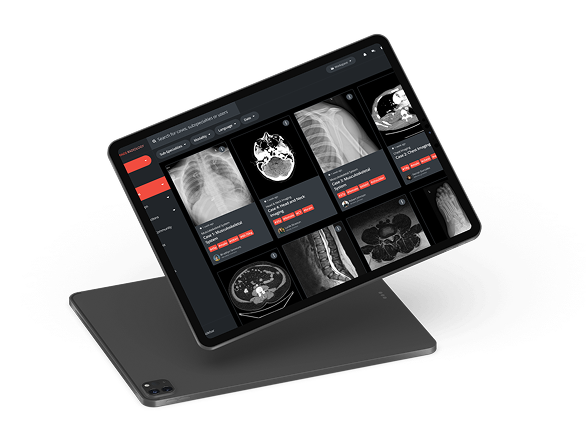
Video shows the main product features of Collective Minds Research for CROs
Imaging core lab vs. local image review
Sponsors sometimes ask whether a dedicated core lab is really necessary, or whether local site reads are enough. The comparison usually comes down to consistency and regulatory acceptance:
| Local site review | Centralized imaging core lab | |
|---|---|---|
| Consistency across sites | Varies by reader and site | Standardized protocol and reader training |
| Blinding | Difficult to maintain | Readers blinded to treatment arm and clinical data |
| Audit trail | Limited, site-dependent | Full traceability from acquisition to final read |
| Regulatory acceptance | Lower for pivotal endpoints | Expected for BICR and most pivotal imaging endpoints |
Also Read: Understanding Good Clinical Practice (GCP) in Imaging: An In-Depth Exploration
How to choose an imaging core lab partner
Selecting a core lab is a commercial decision as much as a technical one. Organizations should weigh their specific therapeutic needs alongside the vendor's capabilities. QMENTA frames this evaluation around three areas worth turning into a checklist when choosing the right vendor:
- Technology infrastructure: ICTMS capabilities, data security measures, and integration with your existing systems
- Quality management: ISO certifications, FDA inspection history, and documented standard operating procedures
- Global reach: multi-site management experience, international regulatory compliance, and language support for your trial's footprint
Beyond the checklist, look for a partner with proven experience in your specific therapeutic area and trial phase. That experience tends to translate directly into fewer protocol deviations and faster study startup. It is also worth asking prospective partners how they handle scope changes mid-study, since protocol amendments and new sites are common in multi-year trials, and a partner who cannot absorb that change smoothly will slow the whole program down.
Best practices for managing imaging data in clinical trials
Successful imaging core labs share a few habits regardless of therapeutic area:
- Standardized protocols: consistent image acquisition procedures, quality control checkpoints, and data validation processes applied the same way at every site
- Ongoing training: regular protocol updates, technical certification requirements, and continuing education for readers and site staff, not just a one-time onboarding session
- Security-first data management: secure storage, regular backups, and a complete audit trail maintained for every study, not just the ones flagged for monitoring
None of these habits are complicated on their own. What makes them effective is applying them consistently across every site and every study, which is exactly what a dedicated core lab is built to do.
Make imaging data easier to trust, review, and submit
Imaging core labs exist because trial data has to hold up under scrutiny long after the last patient is scanned. Standardized acquisition, clean transfer, rigorous quality control, and independent review are what make that possible at scale, across sites, countries, and modalities. The trials that struggle most with imaging endpoints are rarely the ones with the hardest science. They are the ones where imaging data management was an afterthought rather than a planned workstream from day one.
Read Also: Collective Minds Research for CROs and Pharma
FAQ
What is the difference between an imaging core lab and a radiology department?
A hospital radiology department serves individual patient care, reading each scan for a specific patient's diagnosis or treatment. An imaging core lab serves a clinical trial as a whole, applying one standardized protocol and reading criteria across every site and patient in the study so the results are comparable and audit-ready.
When should a sponsor involve an imaging core lab?
Ideally during protocol design, before the first site is activated. Involving the core lab early allows the acquisition protocol, reader charter, and data transfer workflow to be built into the trial from the start, rather than retrofitted after sites have already begun scanning with inconsistent settings. Bringing a core lab in after enrollment has started is still possible, but it usually means re-training sites and, in some cases, excluding early scans that do not meet the protocol.
What is BICR in clinical trial imaging?
Blinded independent central review (BICR) is a process where two or more readers, blinded to treatment arm and site-reported outcomes, independently assess trial images against pre-specified criteria, with a third reader adjudicating any disagreement. It is the standard most regulators expect for pivotal oncology imaging endpoints.
Do all clinical trials with imaging need an imaging core lab?
No. Trials using imaging only for eligibility screening or safety monitoring can often rely on local site reads. A core lab becomes necessary once imaging findings drive a primary or key secondary endpoint, or once a trial spans enough sites and countries that consistency can no longer be assumed.

Reviewed by: Carlos Santín Carballo on July 1, 2026

.png?width=1024&height=1024&name=Edit%20Pipeline-Galaxy%20Tab%20S8%20Ultra%20(2).png)